Los Angeles BIPOC Therapy for Women
Being a woman of color often means navigating unique challenges that traditional therapy may overlook, from cultural expectations and family dynamics to workplace stress, identity questions, and experiences of discrimination.
At Mixed Roots Psychotherapy, our Los Angeles BIPOC therapists for women provide a supportive space where every part of your experience is welcome, helping you build confidence, heal from past wounds, and create a life that feels more aligned with who you are.
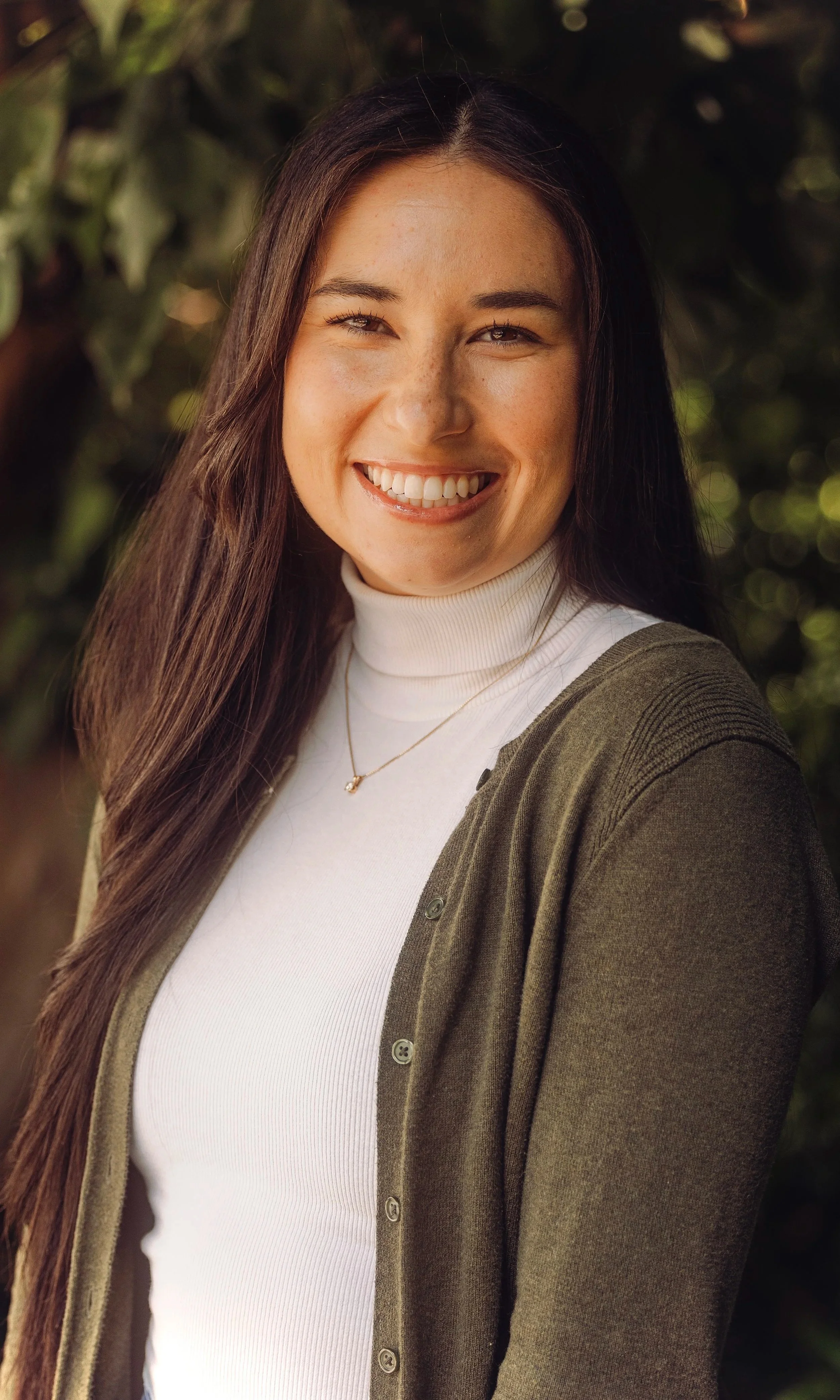
Meet Shaya Aguilar, M.A.
I bring a deep respect for the ways culture, family, faith, and intergenerational stories shape our pain and our resilience. I specialize in trauma, attachment, and relational work with BIPOC and mixed-identity women, helping them untangle the stories they’ve inherited from the ones they want to live. In our work together, I pay close attention to power, culture, and intergenerational wounds, while also centering your strengths, values, and communities of support. My aim is to offer a warm, grounded space where you can feel seen in your whole identity and begin to move toward more embodied, connected, and meaningful living.
Credentials: Psychological Associate
Specialty areas: BIPOC women, women’s health, Latinx, multiracial couples
Why choose Mixed Roots Psychotherapy
Choosing the right therapist can feel overwhelming, especially when your experiences have not always been understood or held well in traditional mental health spaces. At Mixed Roots Psychotherapy, we recognize the barriers many BIPOC individuals face even after finding a therapist, and we aim to create a space where those experiences are seen, named, and explored with care. Mixed roots is….
A Pasadena-based, hybrid group practice offering both in-person and telehealth therapy across California
Specialization in women with mixed, bi-, and multicultural identities
Focus on the unique emotional complexity that comes with intersecting identities and lived experiences
Culturally responsive care that acknowledges systemic barriers and normalizes challenges BIPOC women face in accessing quality mental health services
Support for women seeking to understand their stories, heal relational wounds, and build more meaningful connections
Our work centers on helping you understand the roots of your pain, make meaning of your identity and story, and cultivate healthier relationships with yourself and others. We invite you to explore our practice and reach out for a free 15-minute consultation to learn more.

Common areas we support BIPOC women with
Many BIPOC women come to therapy carrying not only personal histories of trauma and stress, but also the weight of racism, colorism, sexism, and intergenerational expectations and immigration stories on their shoulders. At Mixed Roots Psychotherapy, we center culturally responsive, liberation-oriented care that takes into account all of your intersecting identities, and moves beyond individual symptom reduction. Many BIPOC women come to therapy seeking support in:
Navigating racial trauma, microaggressions, and code-switching in predominantly white or non-inclusive workplaces or communities
Guilt or pressure pertaining to the roles you hold with family or partners, especially for women who believe it is their role to be the "responsible one”
Negotiating multiple identities (e.g. mixed race, queer, immigrant, neurodivergent) and feeling like you do not fully belong anywhere
Coping with parenting or reproductive stress in systems that tend to invalidate the mental health of BIPOC women
In our therapeutic work together, we move at your pace, centering your cultural strengths and wisdom so that healing can feel like you are coming home to yourself, rather than abandoning where you come from.
What to expect from the therapy process
Your therapy journey at Mixed Roots typically begins with a free 15-minute phone or video consultation, where you can share what brings you in and ask any questions you have about the therapeutic process, fit, fees, and logistics. This conversation helps both myself and you feel a sense of whether the relationship feels safe and aligned before committing to ongoing sessions.

If you decide to move forward, the first three to four sessions focus on an intake process, where I learn about your history, current stressors, cultural background, and hopes for therapy. We will work together to clarify goals, discuss frequency and format (in-person or telehealth), and talk through consent and confidentiality so you know what to expect.
Sessions typically occur weekly for 50 minutes. I aim to create a consistent and attuned environment for us to explore patterns, process trauma, and embrace new relational patterns that align with your values and your holistic identity. I always invite your feedback, adjust the pace as needed, and incorporate culturally responsive approaches so that the work feels congruent with your lived experience.
FAQs about therapy for BIPOC women
-
Relational, psychodynamic therapy can lead to meaningful experiences of healing and re-connection for BIPOC women as they navigate racial trauma, identity development, body image concerns, and relational stressors. Within these frameworks, healing is understood as something that unfolds in a relationship, where experiences can be named, witnessed, and made sense of in the presence of an attuned other.
Working with a BIPOC therapist can further deepen this process by grounding care in cultural responsiveness and shared understanding. For many BIPOC women, racial trauma, including experiences of internalized racism and sexism, may live not only in memory, but in the body and in patterns of relating. These experiences are often carried quietly, shaped by repeated messages that devalue your sense of self, and may go unrecognized or unsupported.
Research continues to show that racial trauma is associated with symptoms of PTSD, depression, anxiety, and disruptions in interpersonal relationships. In this context, creating a culturally safe therapeutic space involves more than symptom reduction; it requires actively resisting decontextualized or one-size-fits-all models of care. Instead, it centers each person’s lived experience, honoring the ways multiple identities, histories, and systems of power intersect to shape both distress and resilience.
To borrow from the words of Dr. Thema Bryant Davis, my hope for you as you’re here wondering about whether to start your journey towards healing is that “you find someone who speaks your language so you don't have to spend a lifetime translating your spirit.” Therapy can often feel like a leap of faith, where uncertainty may accompany you as you wonder if healing is possible. As relational therapists, we believe healing happens through the therapeutic relationship and that our work together can become a space where you don’t have to translate your spirit alone.
These are just some of the stats that pain a picture of why BIPOC mental health is important and unique. We need clinicians who are anti racist, culturally humble, and commit to entering into the cultures and realities of the BIPOC community.
-
Working with a BIPOC therapist can provide an easier on-ramp to therapy, creating comfort, support, and rapport. But sharing a racial background with your therapist actually isn’t what is most important. Although there are always aspects of resonance and dissonance in our identities and stories, working with a therapist who honors the complexity of your cultural story and welcomes all parts of who you are creates the safety needed for change to occur. The quality of the therapeutic relationship is what creates a container for hope and healing.
In my own therapy journey as a therapist, I have known what it feels like to be missed—to sit with therapists who did not fully center my lived experience or the cultural and systemic realities shaping my pain. Those experiences did not make them “bad” therapists, but they did illuminate how easy it is for important parts of a person’s story to be overlooked. This informs how I show up in the room as a therapist today: I work intentionally to listen for the nuances of culture, community, and relational history in the room, and to invite all of your identities and experiences into our work together. If and when I miss someone, I invite you to share so we can work through that experience together. My hope is that through our work together, you don’t have to translate your story alone, and that our relationship becomes a space where your whole self is seen and held with care.
-
At Mixed Roots Psychotherapy, we work as private-pay, out-of-network providers, and many clients submit superbills to seek reimbursement from their insurance plans. We also discuss fees transparently and collaborate with you on a schedule and frequency that feels sustainable for both your emotional needs and your budget.