California Racial Trauma Therapy
Experiences of racism, discrimination, microaggressions, and cultural invalidation can have a lasting impact on mental health, relationships, self-esteem, and overall well-being.
At Mixed Roots Psychotherapy, our California therapists help individuals process racial trauma in a supportive, culturally responsive environment where every part of your identity is welcomed and understood.
If you’re struggling with the impacts of racial trauma, you’re not alone.
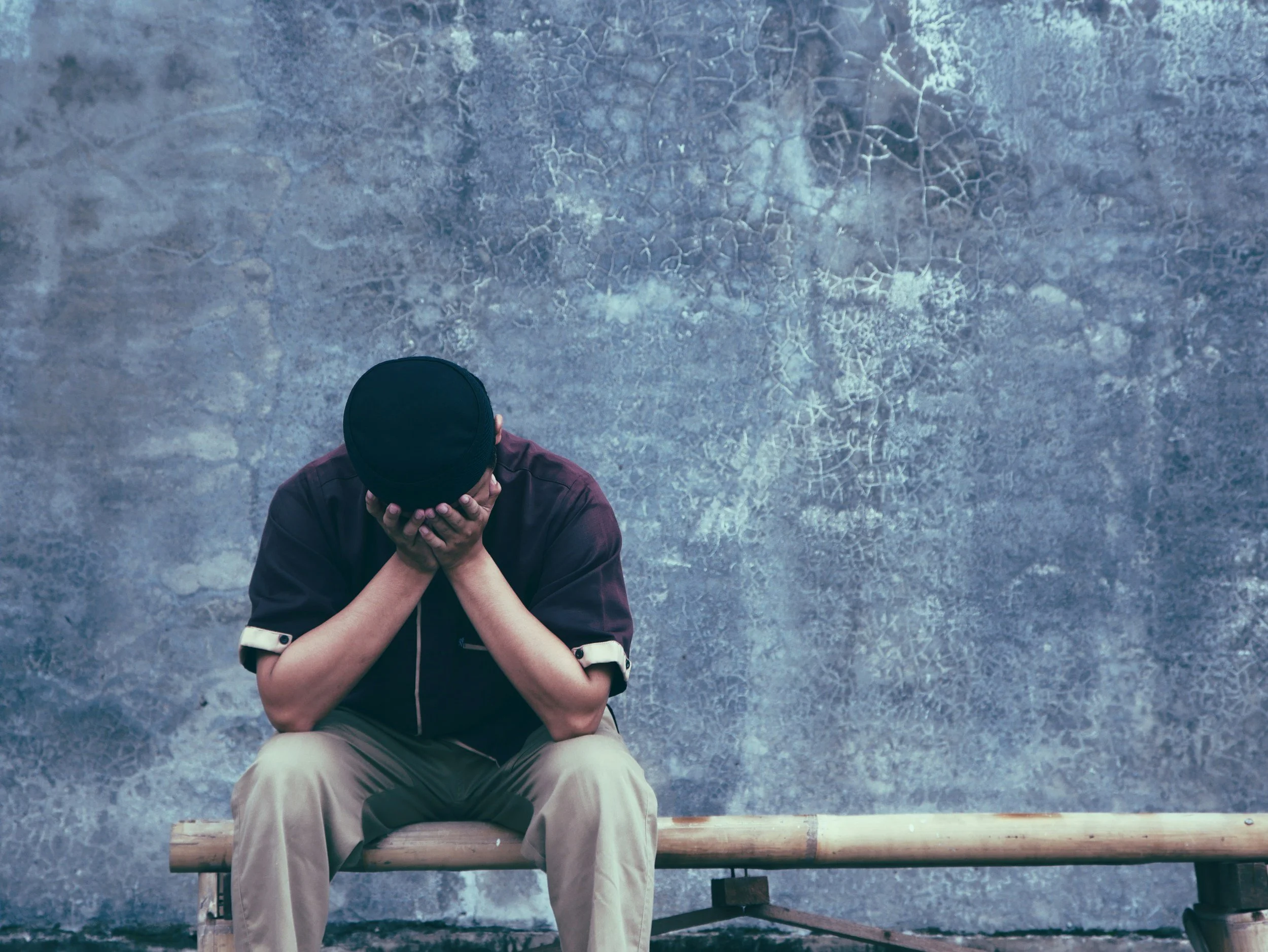
Racism doesn't have to show up as a single, significant moment to leave a mark. It's a real, painful form of trauma, even when it doesn't fit neatly into a single "traumatic event."
For many BIPOC individuals, racial trauma builds slowly, through repeated microaggressions, being overlooked or misjudged, feeling pressure to code-switch to be taken seriously, or carrying the weight of generations before you who experienced racism more overtly.
Some of what you carry may not even have words yet. You might just notice you feel more guarded, more tired, or more disconnected from yourself than you used to be.
If any of the following resonate, know that you're not alone, and you don't have to keep carrying it by yourself:
Feeling hypervigilant or on edge in your workplaces or communities
Exhaustion from constantly explaining, defending, or minimizing your experience
Anxiety, depression, or a persistent sense of not being safe
Numbness, disconnection, or difficulty trusting others
Struggling to separate your worth from the narratives you've received about your identity
Grief tied to generational or historical trauma
your experiences are real, and they deserve care that doesn’t just name them but honors them. At Mixed Roots, we hold space for the fullness of what you've lived through; here, healing doesn't require you to leave any part of yourself at the door.
Meet our California therapists for racial trauma
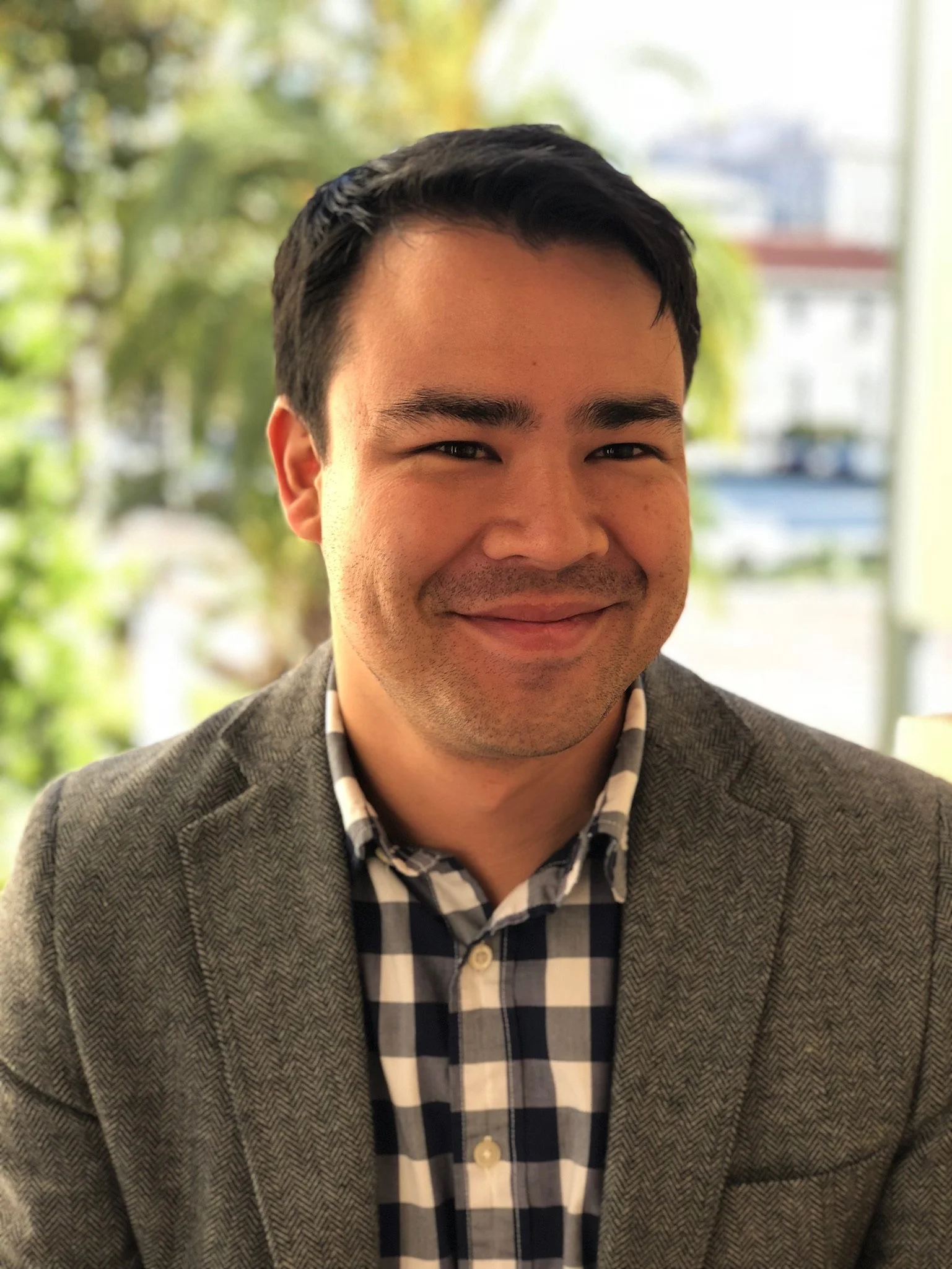
Dr. Noah Lau Branson
Dr. Noah Lau Branson, PsyD, the founder of Mixed Roots, is a licensed clinical psychologist who primarily engages in depth work with people who have tried therapy but have not experienced the positive change they long for.
Dr. Branson identifies as mixed race, Chinese and White, and specializes in supporting people with complex identities.
He works with many mixed-race people, men of color, interracial couples, and people who have experienced religious trauma.

Shaya Aguilar
Shaya Aguilar, MA, a psychological associate, is a pre-licensed therapist who also has a master’s degree in ministry.
She identifies as a mixed-race Latina therapist with Mexican and European roots, and she approaches clinical work from a relational, culturally responsive, and holistic lens.
She specializes in working with women, BIPOC individuals navigating immigration and cross-cultural experiences, mixed couples, and communal trauma.

Lindsey Ward
Lindsey Ward, MA, a psychological associate, is a pre-licensed therapist who also holds a Holistic Health Practitioner degree.
He identifies as mixed race (African American, Native American, Caucasian, Japanese), and he approaches mental health from a holistic perspective, influenced by elders of diverse ethnic and religious backgrounds.
He specializes in working with high achievers, business leaders, healers, therapists, and artists.
How therapy can help racial trauma

Racial trauma is often minimized or dismissed, even by well-meaning people, which can leave you questioning your own experience. Therapy offers a different kind of space, one where your story is met with acknowledgement and ongoing accompaniment.
Here's how working with a racial trauma therapist can support your healing.
Your experience is named and validated
Much of the harm of racism comes from having your reality questioned or explained away. In therapy, your experiences are named for what they are, not reframed as "overreacting." The act of recognition is often where healing begins.
You learn to work with trauma stored in the body
Racial stress doesn't only live in your thoughts. It can show up as tension, fatigue, or a body that stays braced for the next perceived threat. We help clients build awareness of these physical patterns and model how to regulate and release what's been held for too long.
You reconnect with your identity and community
Racial trauma can create distance from your own culture, family, or sense of self, especially if you've spent years code-switching or minimizing parts of your identity to feel safer. Therapy can create room to reclaim and integrate those parts of yourself.
You build sustainable coping and resilience
Rather than offering stress management skills in isolation, we work with you to cultivate coping strategies and life practices that account for the ongoing, cumulative nature of racial stress.
You begin to heal relational wounds, together
Healing from racial trauma often happens most powerfully through relationship. When your therapist can truly witness and hold your experience alongside you, rather than simply reacting to it, it opens space for a kind of mutual understanding that lets old wounds start to soften and repair.

What to expect from the therapy process
Free consultation
Your journey typically starts with a free phone consultation. This is a chance to share what's bringing you in, ask questions about our approach, and get a feel for whether it seems like the right fit before committing to ongoing sessions.
Intake and goal-setting
If you decide to move forward, your first few sessions focus on intake: getting to know your history, your current stressors, your cultural background, and what you're hoping for from therapy. Together, we'll clarify goals and collaborate on a treatment plan that aligns with your unique personhood.
Ongoing weekly sessions
From there, most clients meet weekly for 50-minute sessions. We create a consistent, attuned space to process racial trauma at your pace, always inviting your feedback and adjusting as your needs shift.
FAQs about therapy for racial trauma
-
Racial trauma is the emotional and psychological impact of racism, discrimination, and race-related stress. It can come from a single incident or build gradually through repeated experiences like microaggressions, being stereotyped, or witnessing racism happen to people you love.
-
Racial trauma can look like anxiety, hypervigilance, exhaustion, or a persistent sense of not being safe, following experiences of discrimination, exclusion, or cultural invalidation. It can also stem from generational or historical trauma passed down through family or community. You don't need a clear, nameable incident to bring this into therapy; oftentimes, people who have experienced racial trauma don’t have the language for their experience when they begin therapy.
-
Our therapists bring lived experience of complex, intersecting identities into the room alongside training in relational, culturally responsive care. We specialize in supporting BIPOC individuals, mixed and multiracial identities, immigration and cross-cultural experiences, and communal or intergenerational trauma. Our approach centers your whole story, including your culture, spirituality, and community, rather than treating symptoms in isolation.
-
At Mixed Roots Psychotherapy, we work as private-pay, out-of-network providers, and many clients submit superbills to their insurance for potential reimbursement. We're happy to talk through fees and payment options transparently so we can find an arrangement that feels sustainable for you.