San Jose BIPOC Therapy
In the realm of mental health, seeking support from professionals who understand the unique experiences of Black, Indigenous, and People of Color (BIPOC) individuals is paramount.
This article dives into the world of BIPOC therapy in San Jose, highlighting Mixed Roots Psychotherapy as not just a sanctuary for healing but a beacon of representation and cultural responsiveness.

San Jose is a fast-paced area filled with high achievers and high demands. This kind of lifestyle can take a toll, especially on BIPOC, who have additional pressures and challenges to cope with, such as pushing up against unconscious bias from coworkers or having to code switch between various communities that have differing cultural expectations.
It is easy to feel stretched thin between competing priorities. It is easy to get burnt out from the pressures of representing your culture, proving your worth, and also navigating family expectations.
Perhaps you are struggling with burn out or disillusionment. Perhaps you feel like you have lost a sense of your authentic self. Perhaps life feels overwhelming or confusing. Therapy is a place where you can find clarity and empowerment to help you build a life more congruent to who you want to be.
Our approach to therapy for BIPOC
At Mixed Roots Psychotherapy, we do not approach therapy with a one-size-fits-all mindset. We understand that each person is unique with unique needs, desires, experiences, and strengths, and we understand that a key part of each person’s uniqueness is their cultural identity and values.
While modern medicalized western psychology has made significant contributions to our understanding of mental health, it is often too focused on the individual rather than the systemic. It fails to pay attention to communal, non-western sources of wisdom and meaning-making, and it has regularly missed BIPOC communities.
So while we do pull from several western psychological theories at Mixed Roots (predominantly Relational Psychodynamic Theory, Emotionally Focused Therapy (EFT), and Internal Family Systems (IFS)), we also pull on other sources of wisdom and collaborate with you to understand and heal the roots of your pain.
This means sifting through things such as generational trauma, the immigration history of your family, how race/ethnicity/culture shaped your identity and experience, how spirituality and religion impacted you, and how love, fear, and anger were expressed in your family.
We work to hold a holistic picture of your story so you can embrace all of who you are, both the pain and the joy. This will ultimately help you be more at home within yourself, which will allow you to access deep resources within yourself in your community. This will enable you to walk through life holding the tension between hope and the realities of life's challenges.
Why choose Mixed Roots Psychotherapy for BIPOC therapy in San Jose
At Mixed Roots, we provide a safe, dynamic space for BIPOC to heal, explore, untangle, and find empowerment. Here are some of the qualities that distinguish us from other therapy practices.
We recognize the subtleties of various cultural experiences
All of our clinicians have complex racial/cultural backgrounds and have years of experience working with BIPOC. We are skilled at recognizing the nuanced role culture and race can play in our clients’ experiences.
Sometimes the impact of culture can be subtle, and you may not even realize culture was playing a role in your experience until you either feel missed by a therapist of a different culture or you feel profoundly seen by someone who is able to articulate the intricacies of your experiences.
We offer Culturally Congruent Therapy Approaches
Modern psychology is largely born out of western individualistic perspectives and values. At Mixed Roots, we tailor traditional psychological theories to fit your cultural values. We also incorporate the wisdom and healing practices of other cultures in order to create mental health care for BIPOC that is holistic and not just western-centric.
We hold the intersectionality of every part of your identity
Our clinicians come from complex racial/cultural backgrounds themselves, and we are thoughtful about holding and honoring each part of our clients’ identities and stories, whether that involves race/ethnicity, culture, SES, gender, sexuality, spirituality, immigration experience, or trauma.
We can help you slow down, make sense of your story, have compassion for how you have been surviving, and help you identify the patterns that continue to leave you feeling stuck and in pain.
We will never question your racist experiences
All too often, BIPOC have their experiences of racism questioned, whether in small or direct ways. At Mixed Roots, we will never question your experiences or ever defend perpetrators.
Instead, we will empathize, validate, and hold space for your experiences and even feel with you the pain, anger, fear, and sadness of those experiences. We take seriously the existential weight of racism, and we will actively partner with you to help you find ways to not only process these experiences, but to take back your agency and humanity.
Meet Our Team
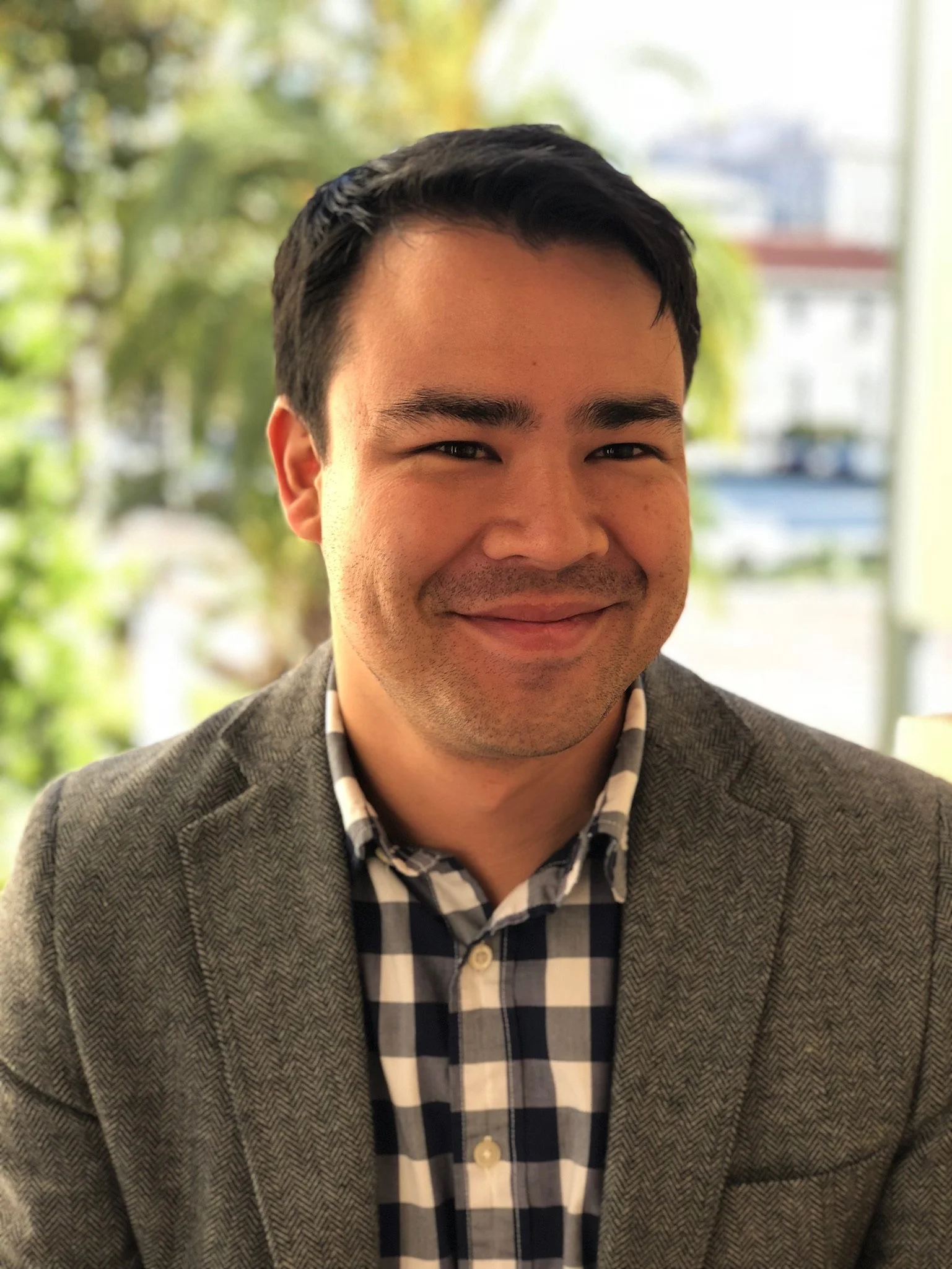
Noah Lau Branson
Dr. Noah Lau Branson is the founder of Mixed Roots and primarily engages in depth work with people who have tried therapy but have not experienced the positive change they long for.
Dr. Branson identifies as Hapa (Chinese and White) and specializes in supporting people with complex identities and complex trauma.
Credentials: Clinical Psychologist
License number: PSY32992
Education: PsyD, MA in Psychology, MA in Theology (Fuller Graduate School of Psychology)
Teletherapy
Providing therapy since 2014
Modalities used: Psychodynamic, Emotion-Focused Therapy (EFT), Internal Family Systems (IFS)

Lindsey Ward
Lindsey approaches mental health from a holistic perspective, influenced by elders of diverse ethnic and religious backgrounds.
He identifies as mixed race (African American, Native American, Caucasian, Japanese), and he specializes in working with Men, high achievers, business leaders, healers, therapists, and artists.
Credentials: Psychological Associate
Working under Dr. Noah Lau Branson’s license (PSY32992)
Education: MA in Clinical Psychology (Pacifica Graduate Institute), Doctoral Candidate in Clinical Psychology (Pacifica Graduate Institute)
Teletherapy
Providing therapy since 2022
Modalities used: Relational Psychodynamic, Somatic, Ecopsychology
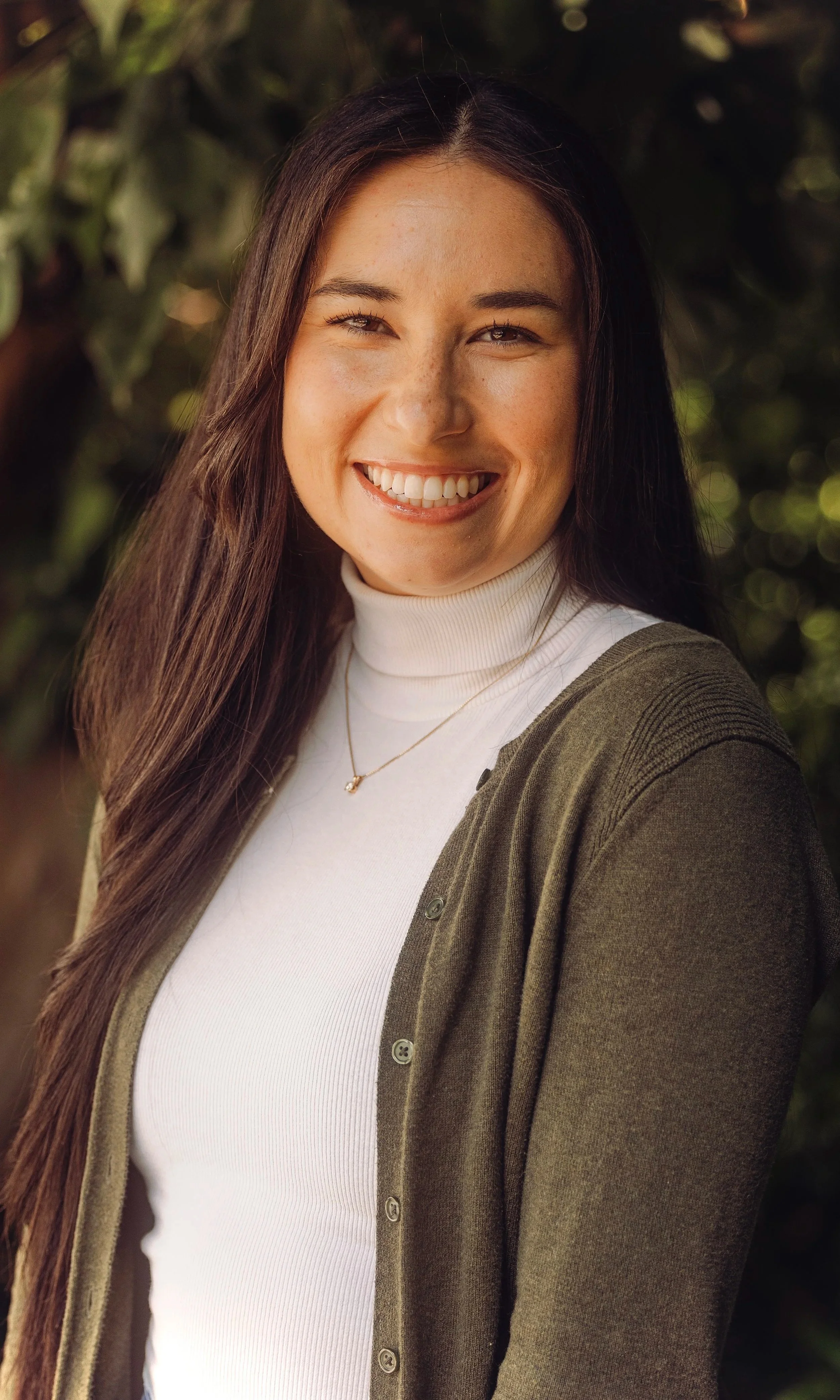
Shaya Aguilar, M.A.
Shaya identifies as a mixed-race Latina therapist with Mexican and European roots, and she approaches clinical work from a relational, culturally responsive, and holistic lens.
She specializes in working with women, BIPOC individuals navigating immigration and cross-cultural experiences, mixed couples, and communal trauma.
Credentials: Psychological Associate
Working under Dr. Noah Lau Branson’s license (PSY32992)
Education: MA in Clinical Psychology (Fuller Graduate School of Psychology), MA in Ministry (Fuller Graduate School of Psychology)
Teletherapy
Providing therapy since 2023
Modalities used: Psychodynamic, Attachment-based, Multicultural
FAQs about Therapy for BIPOC
-
BIPOC experience specific mental health challenges that white people in the US do not. For example, Black Americans have to come to terms with how the history of slavery in this country still impacts systems and values in the US, Asian Americans have to cope with being treated as perpetual outsiders and the model minority myth/trauma response, Latinx Americans have to face real and pervasive fears about immigration and value as a member of our society, and Indigenous Americans have to face living in a country that stole their land.
While all of your mental health struggles may not be overtly related to your ethnic or racial identity, those aspects of your life experience need to be taken into account by your therapist. BIPOC therapy can help you understand yourself more fully, feel more fully witnessed in the complexity of your story, and assist you in exploring important issues that may get missed in White-majority spaces, such as experiences of external or internalized racism, tension between different generations of immigrant families, and communal family dynamics.
-
Modern psychology has largely been born out of western individualistic perspectives and values. While these theories have expanded our understanding of mental wellness, they often don't incorporate the wisdom of other cultures. These other ways of viewing the world are important to incorporate in mental health care for BIPOC. This is why BIPOC representation amongst mental health professionals is important; it’s not only because BIPOC representation benefits the mental health of people of color, but also because BIPOC therapists bring added and needed perspective to therapy work that derives from their diverse experiences.
BIPOC individuals may prefer working with BIPOC mental health professionals because BIPC therapists are often more aware of the nuances involved in the experiences of BIPOC and can also bring empathy borne out of their own lived experiences.
-
Cost can often be a barrier to BIPOC (and people in general) receiving good mental health services. Individual therapy at private practices in San Jose, CA usually ranges between $150-$250 per hour, depending on the therapist’s level of training and type of degree.
At Mixed Roots, our fees range between $140–$250, depending on the level of training of the clinician. We also provide sessions at a sliding scale for those who are in financial need. While we don’t work with health insurance providers directly, we can also provide you with a superbill so you can get reimbursed by your health insurance provider.
Find your safe space with BIPOC therapy at Mixed Roots Psychotherapy

While therapy practices abound in the Bay Area, not all therapists understand the particular challenges, pains, traumas, and strengths of BIPOC communities. You don’t have to settle for working with someone you have to constantly explain yourself to.
Whether you are in crisis or have been struggling with anxiety or depression for a long time, you don’t need to figure it all out on your own.
With the support of a professional who understands the unique experiences of Black, Indigenous, and People of Color (BIPOC) individuals, untangle the complexity of your story, be witnessed in the full breadth of who you are, and learn how to put words to what doesn’t seem to make sense. We are here to walk with you in your journey of grieving, examining, discovery, and growth.
If you are interested in exploring therapy with a clinician at Mixed Roots, email us at dr.noahlaubranson@mixedrootstherapy.com or call us at (818) 659-5903 to set up a free 15-minute consultation.