California Intergenerational Trauma Therapy
Intergenerational trauma can affect the way you relate to yourself, your family, your relationships, and the world around you, even if the original trauma happened generations ago.
At Mixed Roots Psychotherapy, our California therapists help clients understand inherited patterns, process unresolved wounds, and create healthier ways of living, connecting, and parenting. We offer both in-person and online therapy throughout California, with current openings available.
If you’re struggling with intergenerational trauma, you’re not alone.

Sometimes the most challenging issues in our lives come from things that we have inherited from our parents and grandparents. These issues present themselves in some of the most important aspects of life such as relationships, money, our sense of belonging in the world and self-worth.
Common pain points that can stem from intergenerational trauma:
inherited fears
survival mentality
silence/shame about past/present tragedies
distrust of institutions
worries about money and provision
harsh parenting
workaholic mentality
loss of culture
Our families and friends may describe these things as being “passed down” through the family or traumatic events may be summed up as “what our people have been through” without calling them what they are: intergenerational trauma.
Meet our California therapists for intergenerational trauma

Lindsey Ward, MA
Lindsey has a wide breadth of personal and professional experience in working with intergenerational trauma. He draws from relational psychotherapy, depth psychology and indigenous liberation psychology to facilitate psychological and spiritual emancipation from oppression.
Lindsey’s passion for both ancient and modern healing modalities helps him provide clients with an authentic, personalized approach to healing the complexities of intergenerational trauma.
Offers therapy for intergenerational trauma ✓
Credentials: P.A. Psychological Associate supervised by Dr. Noah Lau Branson (PSY32992)
M.A. in Clinical Psychology from Pacifica Graduate Institute
B.A. in Philosophy University of Hawaii Hilo
H.H.P. from Body Mind College (Holistic Health Practitioner)
Specialty areas: intergenerational trauma, men’s issues, therapy for BIPOC, therapy for creatives, interracial couples

Noah Lau Branson, PsyD
Dr. Noah Lau Branson is the founder of Mixed Roots and primarily engages in depth work with clients. He specializes in supporting people with complex identities and complex trauma.
Offers therapy for intergenerational trauma ✓
Credentials: Licensed Clinical Psychologist (PSY32992)
Specialty areas: mixed race, BIPOC men, interracial couples, Asian Americans, depth work, spirituality

Shaya Aguilar, MA
Shaya approaches clinical work from a relational, culturally responsive, and holistic lens, accompanying clients in exploring the complexities of their internal and interpersonal relationships.
She draws from relational, psychodynamic and attachment-based frameworks and is passionate about supporting people in healing from communal trauma.
Offers therapy for intergenerational trauma ✓
Credentials: Psychological Associate supervised by Dr. Noah Lau Branson (PSY32992)
Specialty areas: women, BIPOC, immigration and cross-cultural experiences, mixed couples, communal trauma
How therapy can help intergenerational trauma
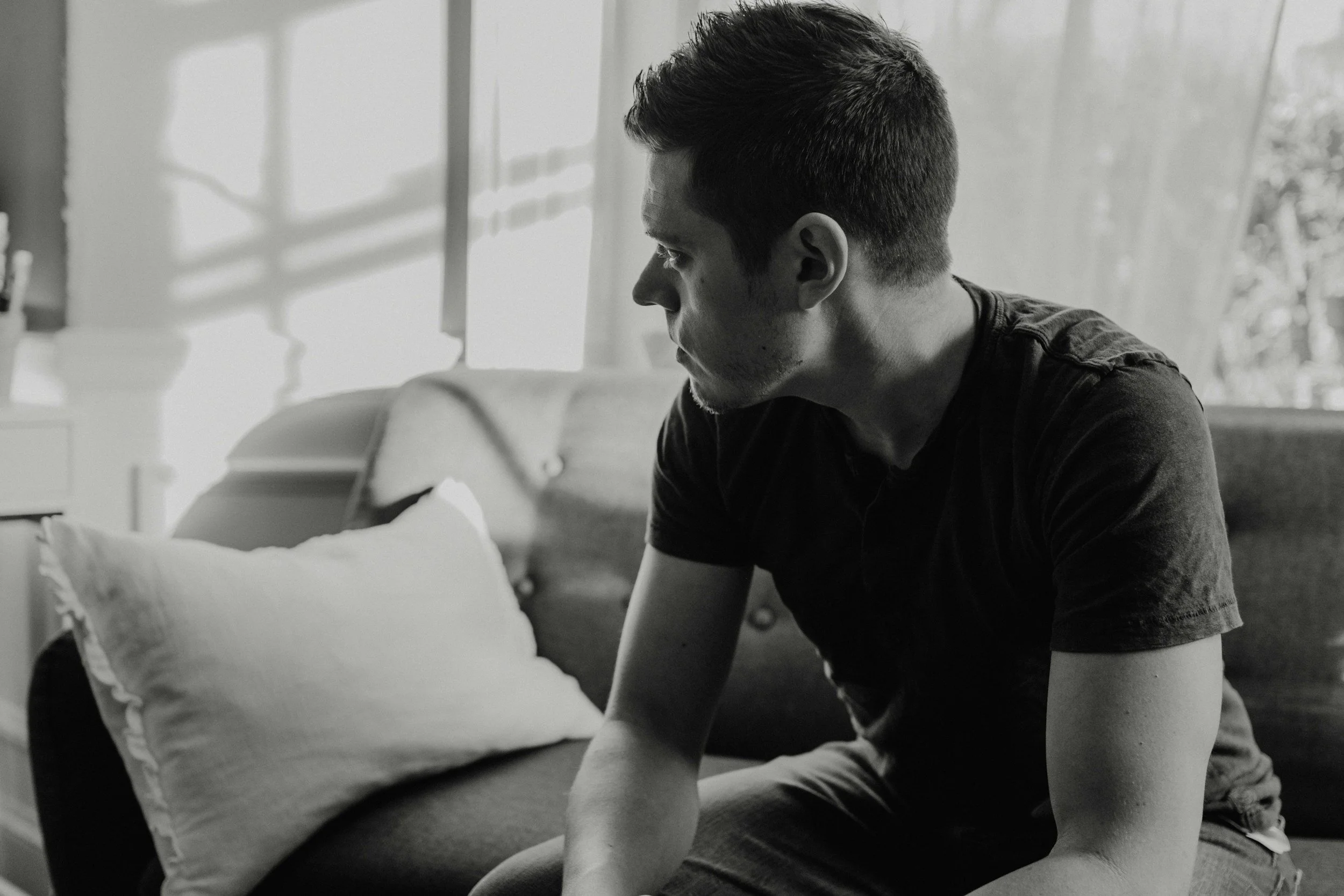
Dysfunctional ways of being that are rooted in intergenerational trauma aren’t just painful, they were never ours to begin with. Here are some benefits of therapy for intergenerational trauma:
Breaking harmful family patterns.
Therapy can help identify inherited patterns—such as emotional avoidance, shame, hypervigilance, conflict, addiction, or difficulty with intimacy—and create more intentional ways of relating.
Understanding deeper roots of distress.
Instead of asking, “What is wrong with me?” therapy can explore “What happened to my family, community, or ancestors—and how might I still be carrying adaptations to those experiences?” This exploration can provide a more compassionate and contextual understanding of symptoms.
Healing relationships and strengthening connection.
Exploring intergenerational wounds can illuminate attachment patterns, family roles, unspoken grief, and unresolved conflicts, helping people develop healthier boundaries and more secure relationships.
Reclaiming cultural identity and belonging.
For people whose families have experienced colonization, racism, forced migration, displacement, assimilation, or cultural suppression, healing may involve reconnecting with cultural traditions, community, spirituality, language, or ancestral sources of resilience.
Transforming inherited survival strategies.
Behaviors that once helped previous generations survive—silence, emotional toughness, mistrust, self-sacrifice, or constant vigilance—may no longer serve the present generation. Therapy can honor why those strategies developed while helping a person develop new ones.
Find a Therapist Who Understands the Complexity of Your Story
Healing intergenerational trauma can be deeply personal work, and it helps to have someone supporting you who understands that our wounds do not exist separately from our families, cultures, communities, and histories. As a therapist with Black, Asian, Native American, and Caucasian ancestry, I bring my own multicultural perspective and curiosity into the therapy room.
Together, we can explore what has been passed down to you, honor what helped your family survive, and begin discovering what you would like to carry forward—and what you are ready to leave behind.
If some part of your own story comes to mind while reading this, perhaps that is a place worth becoming curious about. I would be honored to explore it with you.

What to expect from the therapy process
Reach out
Email, call, or fill out our contact form to let us know your concerns, preferences, and goals for therapy.
Phone Consultation
Our team will respond within 24 hours to schedule a phone call with our clinical director to understand your situation, share how we can help, and answer any questions you may have.
Schedule a first session
We will connect you with the therapist we believe will be the best fit for you. That therapist will then schedule an intake session with you to begin therapy and send you paperwork to fill out to better understand your inner world.
Try out the therapy fit
Most clients have an idea if they feel the needed connection with their therapist within a couple sessions. Trust, respect, and rapport are necessary for therapy to be effective. If for whatever reason something feels incongruent, we will address it and help you find a better fit.
FAQs about therapy for intergenerational trauma
-
Intergenerational trauma is the way wounds and patterns born from traumatic experiences can continue to live within a family long after the original event has passed. Ways of surviving—fear, silence, anger, shame, hypervigilance—can be passed from one generation to the next, leaving descendants carrying pieces of a story that began before them.
-
There’s no one-size-fits-all approach to treating intergenerational trauma. Some people benefit most from processing repressed emotions and unresolved hurts and wrongs passed along by family members while others may need to engage in embodied healing rituals to release feelings tied to a deceased family member. Many clients experience tremendous benefit merely from exploring this topic in the safe, open, reflective environment that good psychotherapy provides.
-
Sometimes there is a feeling that what you are carrying didn’t entirely begin with you. You may recognize certain wounds, fears, reactions, or ways of relating that seem to echo throughout your family, sometimes stretching back generations. Some wounds or struggles may also confuse you because they seem out of proportion to your own life experience.
Some signs that you may be experiencing intergenerational trauma include:
Repeating family patterns. You notice the same anger, shame, silence, addiction, emotional distance, anxiety, or relationship difficulties appearing across generations.
Reactions that feel bigger than the moment. Certain experiences may bring up intense fear, anger, shame, or a need to protect yourself that feels connected to something deeper.
Carrying emotions you don’t fully understand. You may experience grief, fear, guilt, or a sense of responsibility without always knowing where it comes from.
Recognizing your family in yourself. Perhaps you hear your mother’s tone in your voice, recognize your father’s reactions in your own, or find yourself repeating ways of relating that you witnessed growing up.
Living by old family survival rules. Messages like don’t trust anyone, don’t show weakness, keep family problems private, or always take care of others first may continue to shape how you move through the world.
Feeling disconnected from your history or culture. There may be missing stories, unspoken losses, cultural disconnection, or parts of your family history that no one wants to talk about.
None of these experiences alone necessarily means that you are carrying intergenerational trauma. Rather, they can be invitations to become curious about your own story and ask: What happened in my family? What was passed down to me? What still serves me, and what am I finally ready to put down?
-
When I sit with clients struggling with intergenerational trauma, oftentimes there is a pattern of speech or behavior: a reaction, a tone, an inflection that the client knows comes from mom, dad, grandparents, or other family members who carry the same sickness, the same burden that they no longer want to carry around with them any longer. Though these patterns may have initially been useful or essential in surviving the traumatic event, the patterns continue beyond that original inciting incident and are passed down to subsequent generations.
Oftentimes this takes the client on a crash course through their family history. I encourage them to do as much detective work as they can into learning about what happened. What did my family go through? What were these relatives like? What did they suffer through and what did that feel like? How did it impact them and ultimately get passed down to me and perhaps my siblings, etc.. Some information you may be able to find out from taking to relatives who can answer questions about the past, impactful events you weren’t present or alive for, relatives you never met and what they went through, how trauma manifested in them and their lives. Some of your family history will be known and some details will inevitably be unknown, but what’s important here isn’t necessarily about you have an impeccable family history put together, rather that you get insight you can into the nature of the wound you feel inside, the flavor of it’s essence, what it looks, sounds, smells and feels like.
Even if it’s just a glimpse, glimmer or taste of the past- it now lives in you.
Where is it stored in your body? How does it affect my thoughts, mindset, emotions such as fears, insecurities and anxiety? Does this remind me of anything I’ve read about in a book, seen in a movie or a story I’ve heard told before? Based on what the client identifies as the dynamic most alive in them, that informs where we go from there. This is our starting place in intergenerational trauma therapy.
-
Yes, therapy is often covered by insurance. At Mixed Roots Psychotherapy, we work as private-pay, out-of-network providers, but many clients submit superbills to seek reimbursement from their insurance plans. We also discuss fees transparently and collaborate with you on a schedule and frequency that feels sustainable for both your emotional needs and your budget. We also have a number of sliding scale spots that we offer to clients based on financial need.

Start therapy for intergenerational trauma in California today
Written by: Lindsey Ward, MA
Lindsey approaches mental health from a holistic perspective, influenced by elders of diverse ethnic and religious backgrounds. He specializes in working with high achievers, business leaders, healers, therapists, and artists